Digital Reading Strategy: Scribd Trial Implementation - A Complete Guide to Transform Your Reading Experience
In today's fast-paced digital world, our reading habits have undergone a dramatic transformation. Gone are the days when we were limited to physical books and magazines cluttering our shelves. Enter digital reading platforms like Scribd, which promise unlimited access to millions of books, audiobooks, and documents for a monthly subscription fee. But is implementing Scribd as part of your digital reading strategy worth it? After conducting an extensive trial implementation, I'm here to share insights that could revolutionize how you approach reading in the digital age.
Whether you're a voracious reader, a student drowning in research materials, or a professional seeking continuous learning opportunities, understanding how to effectively implement and maximize a platform like Scribd can be a game-changer. This comprehensive guide will walk you through everything you need to know about implementing Scribd as your primary digital reading solution.
Understanding Scribd's Digital Reading Ecosystem
Before diving into implementation strategies, it's crucial to understand what makes Scribd unique in the crowded digital reading marketplace. Unlike traditional e-book retailers where you purchase individual titles, Scribd operates on a subscription model that grants access to an extensive library of content. Think of it as the "Netflix of books" – a comparison that, while overused, accurately captures the platform's value proposition.
Scribd's library encompasses more than just books. You'll find academic papers, magazines, newspapers, sheet music, and even podcasts. This diversity makes it particularly appealing for users who consume various types of content regularly. During my trial period, I discovered that this variety actually encouraged me to explore genres and topics I might never have considered purchasing individually.
The platform's strength lies in its algorithm-driven recommendations and seamless cross-device synchronization. Whether you're reading on your smartphone during your commute, switching to a tablet at home, or listening to the audiobook version while exercising, Scribd maintains your progress across all devices. This flexibility proved invaluable during my implementation trial, especially when juggling multiple reading sessions throughout busy days.
Setting Up Your Scribd Trial: First Steps for Success
The initial setup process for Scribd is refreshingly straightforward, but there are several strategic decisions that can significantly impact your trial experience. When creating your account, take time to accurately complete your reading preferences questionnaire. This isn't just busy work – the platform uses this information to curate your initial recommendations, and the quality of these suggestions can make or break your first impression.
During setup, I recommend connecting all the devices you regularly use for reading. Download the Scribd app on your smartphone, tablet, and install the desktop application if you prefer reading on your computer. The seamless synchronization between devices is one of Scribd's strongest features, but it only works if you've properly configured each device from the start.
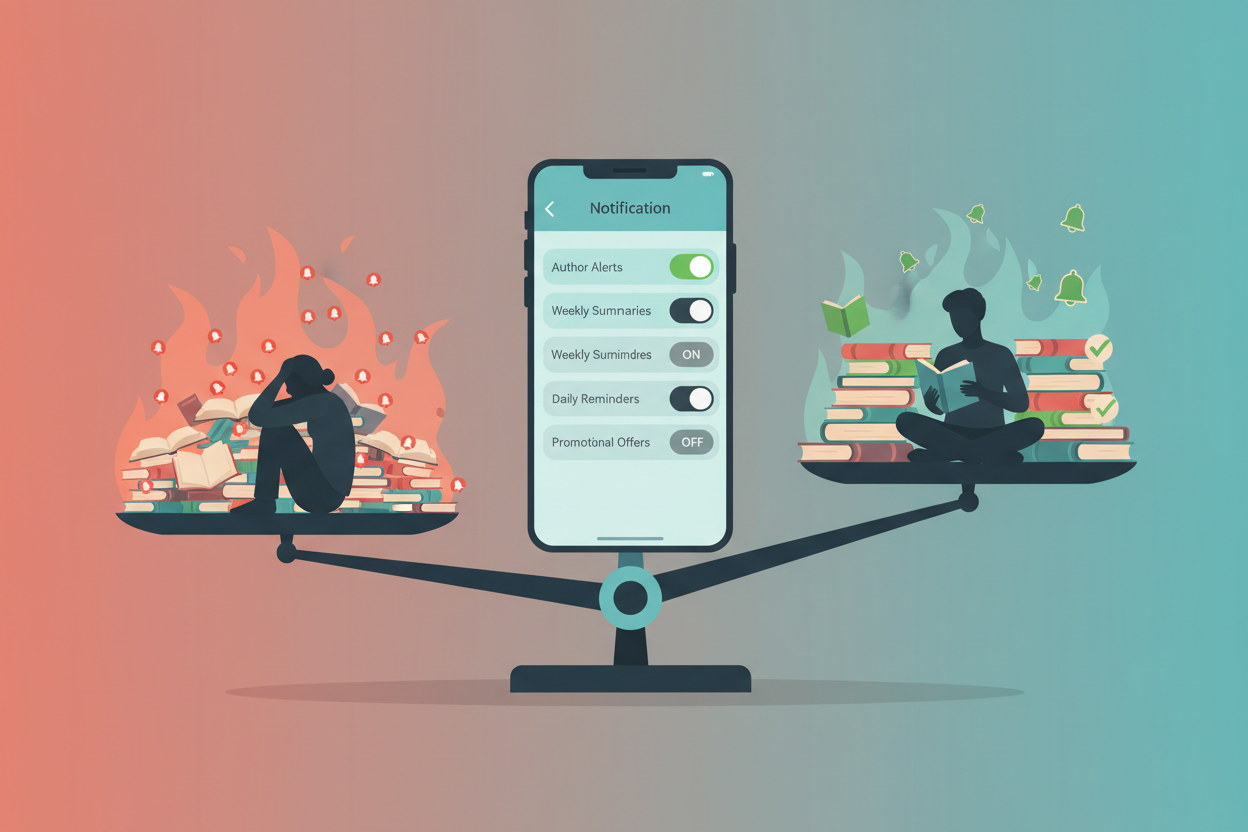
Pay particular attention to your notification settings during setup. While it's tempting to enable all notifications to stay updated on new releases and recommendations, I found that selective notification management led to a more enjoyable experience. Enable notifications for new books from your favorite authors and weekly recommendation summaries, but consider disabling daily reading reminders if you already have established reading habits.
Maximizing Content Discovery and Library Management
One of the biggest challenges I encountered during the trial implementation was content overwhelm. With millions of titles at your fingertips, finding quality content that aligns with your interests and goals can feel daunting. The key is developing a systematic approach to content discovery and library management.
Start by creating themed collections within your Scribd library. I organized mine into categories like "Professional Development," "Fiction Favorites," "Research Materials," and "Weekend Reads." This organization system proved invaluable when I needed to quickly locate specific types of content. Scribd's bookmarking and note-taking features work exceptionally well when combined with this organizational approach.
The platform's search functionality extends beyond simple title and author queries. You can search within books, filter by publication date, and even find content based on reading time estimates. During my trial, I frequently used the "quick reads" filter when I only had 30-45 minutes available, allowing me to complete entire short stories or articles in single sessions.
Don't overlook Scribd's curated collections and editor's picks. These human-curated lists often surface hidden gems that algorithmic recommendations might miss. I discovered several excellent non-fiction titles through these curated collections that became highlights of my reading experience.
Integrating Scribd into Your Daily Reading Routine
The success of any digital reading strategy depends heavily on how well it integrates with your existing habits and lifestyle. During my trial implementation, I experimented with various approaches to determine the most effective integration methods.
Morning reading sessions worked exceptionally well with Scribd's offline download feature. Each evening, I would download 2-3 articles or short stories to read during my morning coffee routine. This approach eliminated the temptation to check social media first thing in the morning and created a more intentional start to my day.
For longer reading sessions, I found that Scribd's audiobook collection paired perfectly with household chores, exercise routines, and commutes. The ability to seamlessly switch between reading and listening modes meant I could maintain momentum with longer books regardless of my activity. This flexibility significantly increased my overall reading volume during the trial period.
The platform's reading statistics and progress tracking features provided unexpected motivation. Seeing my reading streaks, pages read, and time spent reading created a gamification element that encouraged consistent engagement. However, I learned to focus on these metrics as motivational tools rather than rigid goals to avoid turning reading into a chore.
Evaluating Cost-Effectiveness and Value Proposition
Any honest evaluation of Scribd's trial implementation must address the financial aspect. At approximately $12-15 per month, Scribd's subscription cost equals roughly one paperback book or half a hardcover. The value proposition becomes clear when you consider that heavy readers often consume multiple books monthly.
During my three-month trial, I read 18 books, listened to 12 audiobooks, and accessed numerous magazine articles and research papers. Purchasing these materials individually would have cost several hundred dollars, making Scribd's subscription fee seem almost trivial in comparison. However, this calculation assumes you'll consistently maintain high reading volume – something that may not be realistic for all users.
The true value extends beyond simple cost-per-book calculations. Scribd's model encourages exploration and risk-taking in your reading choices. I found myself trying authors, genres, and topics I would never have purchased individually. This exploratory reading led to discovering new interests and expanding my knowledge base in unexpected ways.
Consider also the space and storage benefits. Physical books require shelf space, and digital purchases accumulate in device storage. Scribd's streaming model eliminates both concerns while providing access to a library that would be impossible to maintain individually.
Addressing Common Challenges and Limitations
No digital reading platform is perfect, and Scribd comes with its share of limitations that became apparent during extended use. The most significant challenge is content availability – not every book you want will be available in Scribd's library. Popular new releases often have limited availability, and some publishers restrict access to their catalogs.
I encountered this limitation when trying to access several bestsellers that had just been released. While Scribd's library is extensive, it's not comprehensive. This meant maintaining alternative sources for specific titles, which somewhat complicated my digital reading strategy.
The subscription model can also create a psychological pressure to "get your money's worth" each month. I found myself occasionally choosing quantity over quality, rushing through books to maximize the subscription value rather than savoring particularly engaging titles. Recognizing this tendency helped me adjust my approach to focus on reading satisfaction rather than volume metrics.
Internet connectivity requirements can be problematic for users with limited or unreliable internet access. While offline downloads help mitigate this issue, you still need periodic connectivity to refresh your library and sync progress. This limitation became apparent during a weekend trip to an area with poor cellular coverage.
Long-term Implementation Strategies and Best Practices
After completing the trial period, several best practices emerged that can help others successfully implement Scribd as part of their digital reading strategy. First, treat the subscription as a discovery tool rather than a replacement for all reading materials. Use Scribd to explore new authors and genres, then consider purchasing physical or permanent digital copies of books that become personal favorites.
Develop a hybrid approach that combines Scribd with other reading sources. I maintained relationships with my local library, continued purchasing certain books I wanted to own permanently, and used Scribd for exploration and casual reading. This approach provided the benefits of unlimited access while avoiding complete dependence on a single platform.
Regular library maintenance is crucial for long-term success. Monthly reviews of your saved books, collections, and reading progress help maintain an organized and useful library. Remove books you're unlikely to read and update your preferences as your interests evolve.
Consider seasonal usage patterns when evaluating the subscription's value. During busy work periods or travel seasons, your reading habits may change significantly. Scribd's month-to-month subscription model allows for flexibility, but planning these fluctuations can help maximize value.
Conclusion: Is Scribd Right for Your Digital Reading Strategy?
After three months of intensive trial implementation, Scribd proved to be a valuable addition to my digital reading toolkit, though not without reservations. The platform excels at content discovery, convenience, and value for high-volume readers. Its seamless cross-device experience and diverse content library make it particularly appealing for users who consume various types of written content regularly.
However, Scribd works best as part of a diversified reading strategy rather than a complete replacement for traditional book purchasing and library usage. The subscription model's psychology, content availability limitations, and internet dependency requirements mean it may not suit every reader's needs or preferences.
For readers who consume multiple books monthly, enjoy exploring new genres, and value convenience over ownership, Scribd's trial implementation can lead to a transformative reading experience. The key is approaching it with realistic expectations and a willingness to adapt your reading habits to maximize the platform's strengths while mitigating its limitations.
Ultimately, the decision to implement Scribd long-term should be based on your specific reading habits, budget considerations, and content preferences. The trial period provides an excellent opportunity to evaluate these factors without long-term commitment. Whether Scribd becomes a permanent part of your digital reading strategy or simply a temporary exploration tool, the experience of implementing and evaluating such platforms is valuable for any serious reader navigating the evolving landscape of digital content consumption.
0 Response to "Digital Reading Strategy: Scribd Trial Implementation"
Post a Comment