AI Art Tool Evaluation: Midjourney Alternative Trials - Finding Your Perfect Creative Partner
As someone who's spent countless hours experimenting with AI art generators, I can tell you that the landscape has exploded with options beyond the popular Midjourney platform. While Midjourney certainly deserves its reputation for producing stunning artwork, it's not the only player in this rapidly evolving field. Whether you're dealing with subscription fatigue, looking for specific features, or simply curious about what else is out there, exploring Midjourney alternatives can open up exciting new creative possibilities.
The AI art generation space has become incredibly competitive, with new tools emerging regularly and existing platforms continuously improving their capabilities. This competition benefits us creators immensely, offering diverse approaches to AI-assisted art creation, different pricing models, and unique features that might better suit your specific workflow or artistic vision.
Why Consider Midjourney Alternatives?
Before diving into specific alternatives, it's worth understanding why you might want to explore beyond Midjourney. Don't get me wrong – Midjourney produces exceptional results and has earned its place as a market leader. However, several factors might make alternatives appealing to different users.
Cost considerations often drive the search for alternatives. Midjourney's subscription model, while reasonable for heavy users, might not suit everyone's budget or usage patterns. Some alternatives offer free tiers, pay-per-use models, or different pricing structures that could be more economical for your specific needs.
Feature differences also play a significant role. While Midjourney excels in certain artistic styles, other platforms might offer better control over specific aspects like composition, color schemes, or particular art movements. Some tools provide more granular editing capabilities or better integration with existing creative workflows.
Accessibility and user interface preferences matter too. Midjourney's Discord-based interface, while functional, isn't everyone's cup of tea. Many alternatives offer web-based interfaces or standalone applications that some users find more intuitive or convenient.
Top Midjourney Alternatives Worth Trying
DALL-E 3: The Precision Powerhouse
OpenAI's DALL-E 3 stands out for its exceptional ability to follow detailed prompts and generate images that closely match specific descriptions. During my testing, I found it particularly impressive for creating images with text elements, complex scenes with multiple objects, and artwork requiring precise positioning of elements.
The integration with ChatGPT Plus makes DALL-E 3 incredibly accessible, allowing for conversational refinement of prompts and iterative improvements. The image quality consistently impresses, with clean, professional-looking results that often require minimal post-processing. However, the style tends to be more photorealistic or digital art-focused, which might not suit every creative vision.
One limitation I've noticed is the more restrictive content policy compared to some alternatives, which can sometimes flag innocent prompts. The resolution is also capped at 1024x1024 pixels, requiring upscaling for larger prints or detailed work.
Stable Diffusion: The Open-Source Champion
Stable Diffusion deserves special attention for its open-source nature and incredible flexibility. Unlike proprietary platforms, Stable Diffusion can be run locally on your own hardware, giving you complete control over the generation process and unlimited usage without subscription fees.
The learning curve is steeper than other options, but the payoff is substantial. Through various interfaces like Automatic1111 or ComfyUI, you can fine-tune every aspect of the generation process. The ability to train custom models, use LoRAs for specific styles or subjects, and maintain complete privacy over your creations makes it invaluable for serious AI art enthusiasts.
During my extensive trials with Stable Diffusion, I've been amazed by the community support and constant improvements. New models and techniques emerge regularly, keeping the platform at the cutting edge of AI art generation. However, running it effectively requires decent hardware and technical knowledge that might intimidate casual users.
Adobe Firefly: The Professional Integration
Adobe's entry into AI art generation brings something unique to the table: seamless integration with professional creative workflows. Firefly's strength lies not just in standalone image generation but in how it enhances existing Adobe Creative Suite applications.
The generative fill and expand features in Photoshop powered by Firefly have revolutionized my photo editing workflow. Being able to extend backgrounds, remove unwanted objects, or add elements naturally feels like magic. The style consistency and ability to maintain the original image's aesthetic while adding new elements is remarkably sophisticated.
For commercial work, Adobe's approach to training data and licensing provides peace of mind that's harder to guarantee with other platforms. The results tend to be more conservative stylistically but are consistently high quality and suitable for professional use.
Leonardo AI: The Versatile Contender
Leonardo AI has impressed me with its balance of ease-of-use and advanced features. The platform offers multiple models optimized for different purposes, from photorealistic portraits to fantasy art and architectural visualization. The ability to switch between models within the same interface makes it incredibly versatile for diverse projects.
The real-time generation feature, where you can see results update as you type your prompt, provides immediate feedback that speeds up the creative process significantly. The platform also offers useful features like background removal, upscaling, and style transfer that reduce the need for additional tools.
What sets Leonardo AI apart is its focus on providing both simple and advanced interfaces. Beginners can jump in with basic prompts, while experienced users can dive deep into advanced settings for precise control over the output.
Comparing Performance Across Different Art Styles
Through systematic testing across various art styles and subjects, I've discovered that different platforms excel in different areas. Understanding these strengths can help you choose the right tool for specific projects.
For photorealistic portraits and human figures, DALL-E 3 and Adobe Firefly consistently produce the most natural-looking results with proper proportions and realistic skin textures. Midjourney alternatives like Leonardo AI also perform well in this category, especially with its specialized portrait models.
When it comes to fantasy and surreal artwork, Stable Diffusion with specialized models often produces the most creative and unique results. The ability to use community-trained models for specific fantasy styles gives it an edge in this category. Midjourney still leads in this area, but the gap is narrowing.
For architectural and technical illustrations, Leonardo AI's specialized models shine, producing clean, precise results with proper perspective and technical accuracy. Adobe Firefly also performs well for architectural visualization, particularly when integrated with other Adobe tools.
Practical Considerations for Switching or Adding Alternatives
Making the transition to or adding alternative AI art tools requires considering several practical factors beyond just image quality. Workflow integration often determines long-term satisfaction more than initial impressions of generated images.
Consider your current creative process and how different tools fit into it. If you're heavily invested in Adobe's ecosystem, Firefly's integration might be invaluable. If you prefer working offline or want maximum control, Stable Diffusion could be worth the learning investment. For occasional use or experimentation, cloud-based services with free tiers might be more practical.
Think about your output requirements too. Do you need high-resolution images for print? Batch generation capabilities for large projects? Specific aspect ratios or formats? Different platforms handle these requirements with varying degrees of success.
The community and support ecosystem around each platform also matters. Stable Diffusion's open-source community provides incredible resources and continuous innovation. Commercial platforms offer more structured support but less flexibility for customization.
Cost-Effectiveness Analysis
Budget considerations often drive the search for Midjourney alternatives, but the most cost-effective choice depends on your usage patterns and requirements. I've found that analyzing costs requires looking beyond simple subscription prices to consider factors like generation limits, image resolution, and additional features.
For heavy users, platforms with unlimited generation at fixed monthly costs often provide the best value. Light users might benefit more from pay-per-use models or platforms with generous free tiers. Consider also the hidden costs – time spent learning new interfaces, potential need for additional software, or hardware requirements for local solutions.
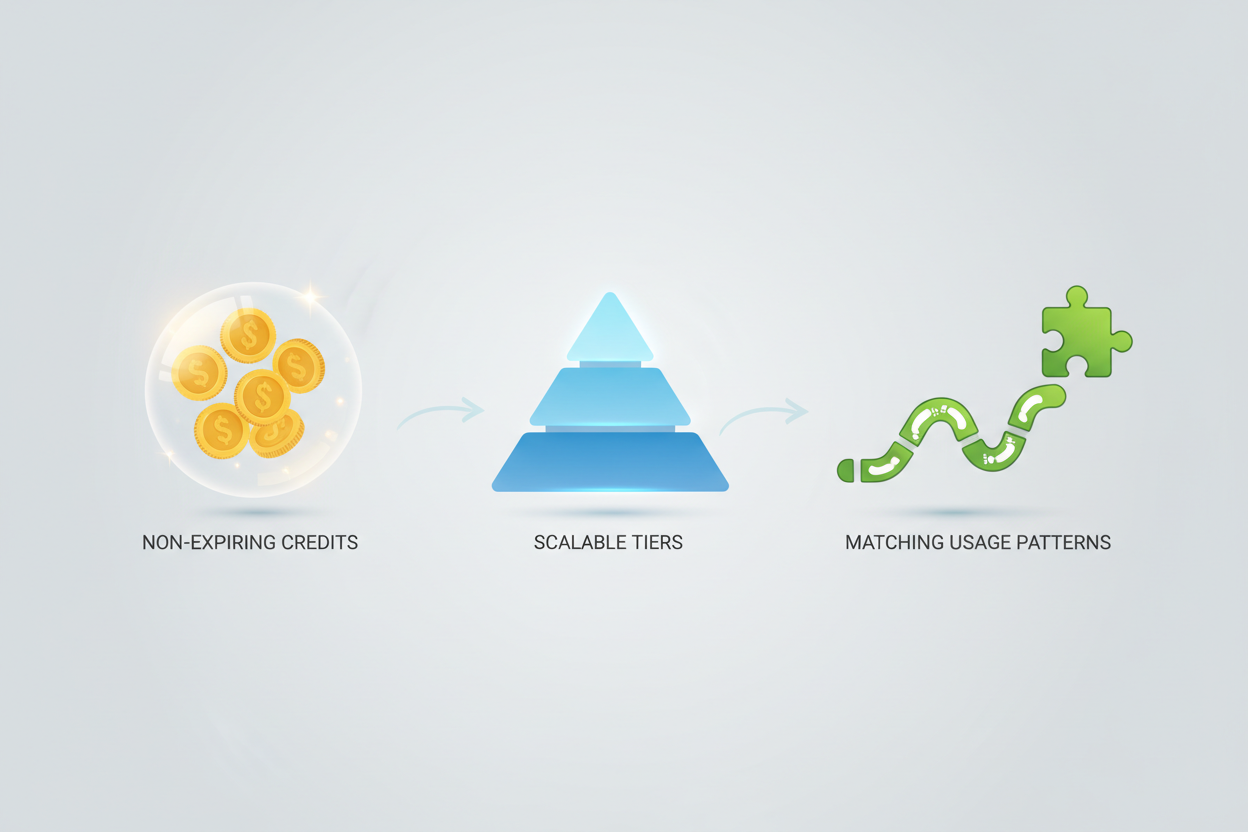
Some platforms offer credits that don't expire, allowing you to use them at your own pace. Others provide different tiers with varying capabilities, letting you scale up or down based on current needs. The key is matching the pricing model to your actual usage patterns rather than choosing based on the lowest advertised price.
Future-Proofing Your AI Art Toolkit
The AI art landscape evolves rapidly, with new features, improved models, and entirely new platforms emerging regularly. Building a sustainable approach to AI art creation means staying flexible and keeping an eye on emerging trends while not getting caught up in every new release.
I've found value in maintaining familiarity with multiple platforms rather than committing entirely to one. Each tool has its strengths, and having options allows you to choose the best tool for each specific project. This approach also provides backup options if your primary platform experiences issues or changes its terms.
Keep an eye on emerging technologies like video generation, 3D model creation, and improved editing capabilities. The platforms that successfully integrate these advancing features while maintaining ease of use will likely dominate the future landscape.
Conclusion
Exploring Midjourney alternatives has been an enlightening journey that's expanded my creative toolkit significantly. While Midjourney remains an excellent platform, the diverse ecosystem of AI art generators offers something for every creator's needs, budget, and workflow preferences.
The key to success lies in understanding what you need from an AI art tool and matching those requirements to the right platform's strengths. Whether you prioritize cost-effectiveness, specific artistic styles, professional integration, or maximum creative control, there's likely an alternative that fits your needs perfectly.
Don't be afraid to experiment with multiple platforms. Many offer free trials or tiers that let you explore their capabilities without commitment. The time invested in learning different tools will pay dividends in creative flexibility and the ability to choose the best tool for each project.
As this technology continues to evolve at breakneck speed, staying curious and open to new possibilities will serve you well. The future of AI-assisted art creation is incredibly bright, and we're just scratching the surface of what's possible when human creativity meets artificial intelligence.
0 Response to "AI Art Tool Evaluation: Midjourney Alternative Trials"
Post a Comment